Research shows the key to leadership and success is through relationships and building trust with your community. I have heard it over and over again through my mentors, my research, my own work and success, and through colleagues. It’s important and it matters. But the common thread that keeps coming up, is that it is really hard work and there just doesn’t seem to be enough time. I hear so many of my fellow colleagues run into these obstacles and talk about their ways to figure out better ways to build relationships. I had these same thoughts until I made building relationships my umber one priority. I decided to set up a system so that building relationships was embedded into my routines. I went to work asking my colleagues how they built relationships. I always made sure I took notes and learned from them. I also researched the best ways to build relationships and I watched how other successful leaders of schools, businesses and our world do this. I gathered my learning and evidence and then I started to figure out a plan and implement it.
This plan required me to take risks, I dug into the place where the community spends the most time, the classroom. I then placed myself in a really vulnerable position, teaching alongside them and modelling my expectations. This was hard work at first to break through. I failed miserably a few times, but eventually I got traction and I slowly began to build trust in relationships and eventually build capacity in the teacher leaders in my school. I am sharing this plan with you in this week’s blog post, but I want to be completely transparent. This plan is really hard, it takes time, it takes commitment, it takes vision, but it works. So stick with it and be really clear on the intention of why you are doing these actions, your expectations in return, and the importance of working together. This is, by far, the way we have built the best relationships in the majority of our community. Let’s face it, there is always a group that just might not love your vision. But my advice is that you continue to try with that person or group, continue with the same expectations for them, and continue to make time to hear them and have conversations with them. But don’t lose sleep over it. You may not be FOR everyone but you are DOING IT FOR EVERYONE and for the right reasons.
Here is how our admin team has been building relationships and trust in our school for many years:
1, Get straight to the point in your meetings and state the outcome and purpose that you want to accomplish by the end of the meeting. Set the expectation that this outcome is what you want your audience to know, do, and articulate by the end of the time together. And then….get straight to it and let them go home early if you are done rather than dragging it out. Set up small mini lessons (10 minutes max) rather than filling a meeting with housekeeping. After the mini lesson, give them time to dig into the work, unpack their thinking, and do the work. Here is a free guide on how to workshop your meetings.
2. Give teacher grade teams a common prep attached to a lunch time each week. Now, this will take some major puzzle piecing but it will be so worth it. If you attach a common prep to a break for teams, it should give them at least an hour, to an hour and a half each week to work together to build lessons, analyze data, get stuff done, etc. They will have the time to collaborate and they will build relationships with each other. Admin does this by covering for them and teaching a class for them (not a core class though) during this time. We also include our specialists to cover these periods to make it happen. This also requires you to teach your team leads effective and productive ways to run meetings.
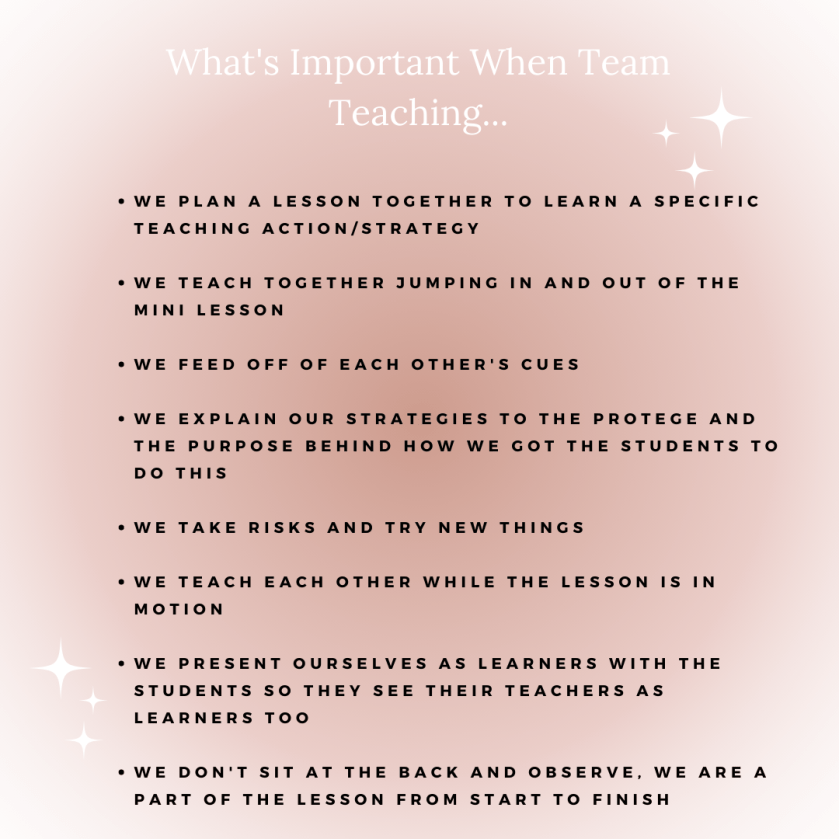
3. Team teach with teachers instead of just observing them. This will build massive trust, but may take some time to get used to. The purpose of this is to spend time in classrooms, team teach with a teacher on a strategy they might want to deepen, to figure out a priority that they have, to build relationships, and see you as a teacher and not just an administrator. The students also see the teacher and administrator as learners figuring out a strategy together. It really is a powerful way to build relationships with students and teachers. Set up a time to meet before the lesson and plan the lesson together. Team teach the lesson together and set up a time to debrief. I would start with choosing a few teachers each year and get into their classrooms. I even take pictures and share our work with the rest of the staff during mini lessons in our professional development meetings.
4. Cover for a teacher while they go and team teach with another colleague. This one is super impactful but does require some pre teaching and co-constructing of criteria with the teacher community. Teach teachers how to team teach and co-construct the expectations. Find some master teachers that would make great mentors for others. This is not coverage so that the teacher can sit at the back of the room and watch another teacher. Sitting at the back of the room doesn’t require them to do any of the thinking and learning and makes it way too easy to zone out and be on their phones. Having them team teach with each other with the expectation that they will learn and figure out strategies and effective teaching actions together will create way more reach and traction. Meanwhile, while you cover the mentor teachers class, you get to plan a lesson and be in the classroom with kids honing your skill as well. It is definitely a win win. We do this alot in our school. I know that I have some master teachers in certain areas like workshop and french immersion learning. I tap them on the shoulder and get them to set up a time to mentor with another teacher while I cover. It helps master teachers to hone their leadership and mentorship skills, it builds capacity and relationship between teachers, improves teaching and student learning, and I gain some respect by covering, teaching, and creating space for teachers to learn from each other outside of meetings and right inside the classrooms.
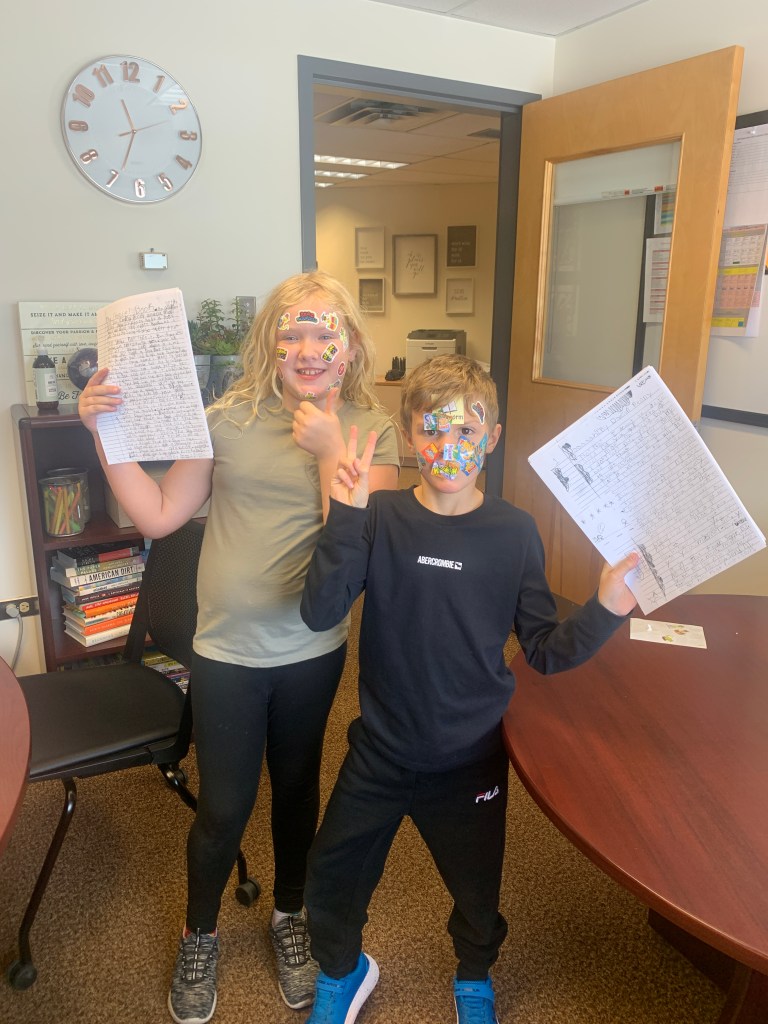
5. Set up a designated time in the week where students can come by and showcase their work and learning. During these times, teachers will send kids down to read to me, show me their writing or math work, or invite me to write and read with them. I love these times because I get to see what the kids are doing, the teachers have a chance to show me their successes through the students, and it makes the office a little less scary. Our admin assistants also get to share in the fun! I highlight what I notice in our kudos section of our staff meeting agendas as well.
6. This last one is one that I am thinking of implementing that I learned from a mentor. She sets up one on one meetings in a designated time slot each week and just rotates through the teachers. Every Thursday, she sets aside an hour for 15-20 min one on one meetings and says that she gets to each teacher at least three times a year. She says it is very effective and gives her a real pulse on how they are feeling, what they need, and how she might support them.
All of these strategies build relationship and put you in a place where you are vulnerable but it sends the message that you are rooting for them and with them. Building relationships takes time, strategizing and prioritizing, but it is worth every second, every risk, and every bit of your ‘imposter syndrome like’ feelings that you will feel. It is one of my big rocks in my leadership and I have learned that this is the place where I put my A+ effort. All the other things get my B+ effort. They still get done well and I still have a life and go home to watch my kid’s sports and eat supper. Elbow to elbow is always the best place to build relationships.
For more tips and a really great principal community, join our Principals and Leadership facebook group!
Don’t forget to download the free Workshopping your Meetings guide!
 Even If You Miss.....